The Ginnel (1961)
the forgotten passage
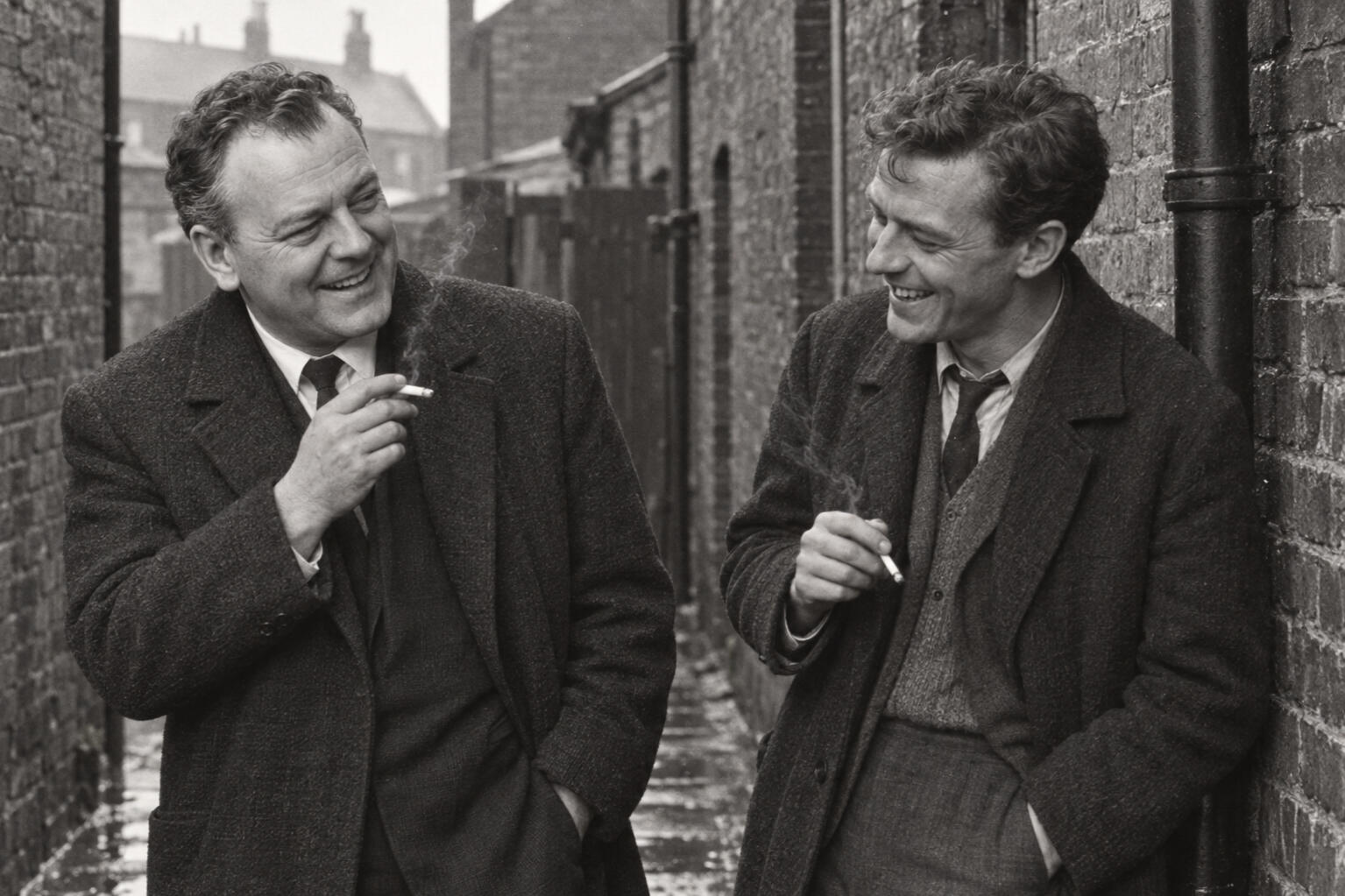
Released in 1961, when being gay was against the law and homosexuality was rarely acknowledged in portrayals of Northern working-class life, The Ginnel placed the concealed relationship between two married men at the centre of its story. Their relationship was never named, but its meaning was nevertheless clear.Terence Barber and Jack Pilling play Stan and Eddie, who use a narrow passageway between two rows of terraced houses as the only place where they can meet without being observed.Their carefully timed encounters consist of cigarettes, guarded conversation and occasional moments of physical closeness. Away from the ginnel, both continue their married lives while jealousy and disappointment increasingly enter the brief periods they spend together.When Eddie reveals that he and his wife are moving away, neither man discusses what their separation will mean. The film ends several days later with Stan returning alone to the ginnel and waiting in the rain.
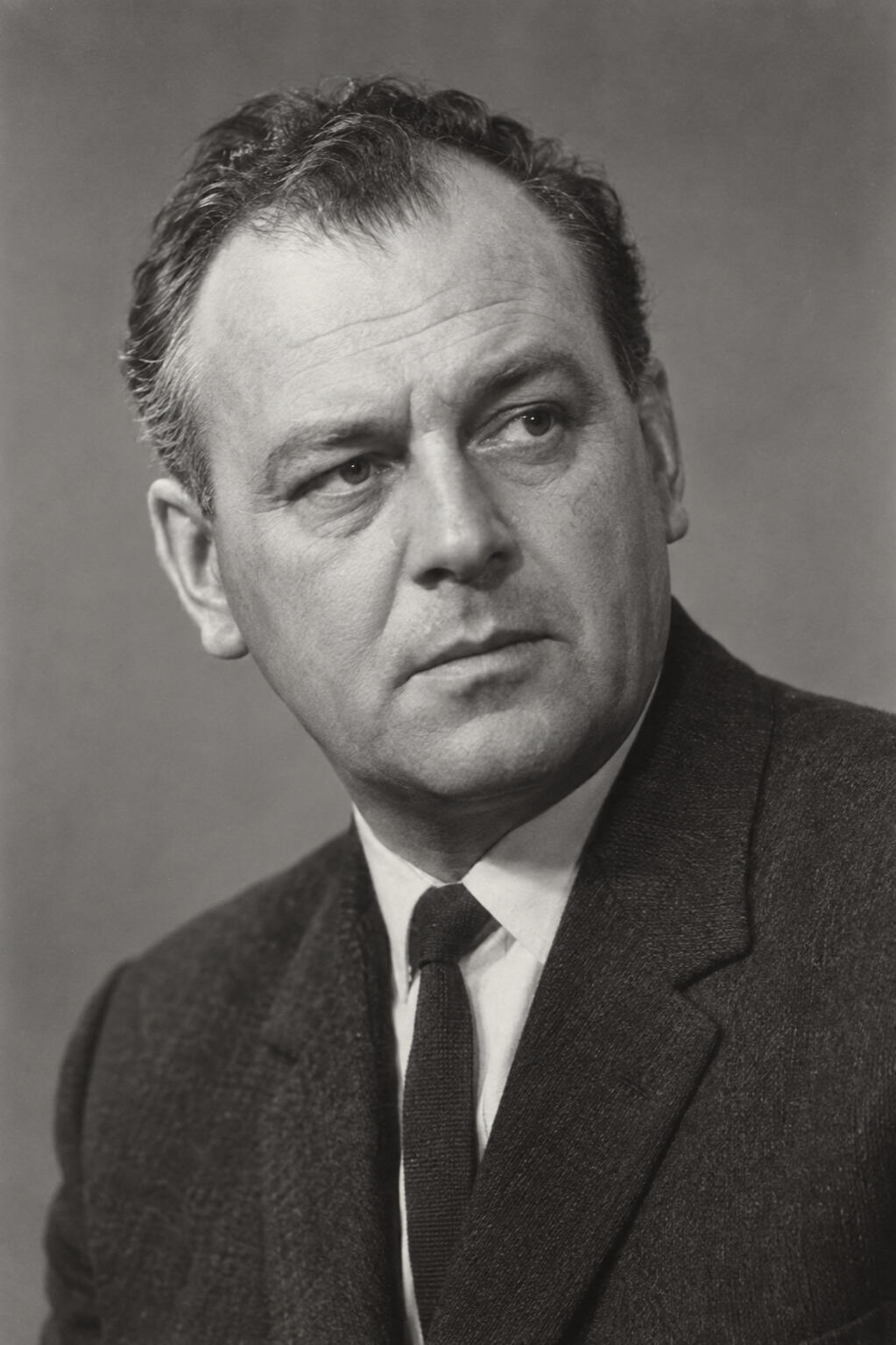
Terence Barber (1909–1983)Terence was born in Accrington in 1909 and worked as a clerk in a textile warehouse before joining a local amateur dramatic society.After several seasons with repertory companies in Bolton, Oldham and Bury, he became known for playing reserved, often difficult men whose emotions were revealed through gesture rather than dialogue.Barber received top billing in The Ginnel as Stan, a married man conducting a concealed relationship with Eddie, played by Jack Pilling. His performance was notable for its restraint, particularly during the film’s long periods of silence, and has since been regarded as one of British cinema’s most sympathetic portrayals of working-class homosexuality from the period.The film’s subject provoked considerable hostility, and Barber subsequently became the target of a spiteful campaign that had a lasting effect on him personally. Several later accounts also suggested that the controversy restricted the roles he was offered.Although Barber continued to appear in theatre and on television throughout the 1960s, substantial film roles remained uncommon. He retired from acting in 1974 and returned to Lancashire, where he lived until his death in 1983. The Ginnel remains the performance for which he is principally remembered.He never married, despite being repeatedly linked with actresses in the gossip columns of the regional press.
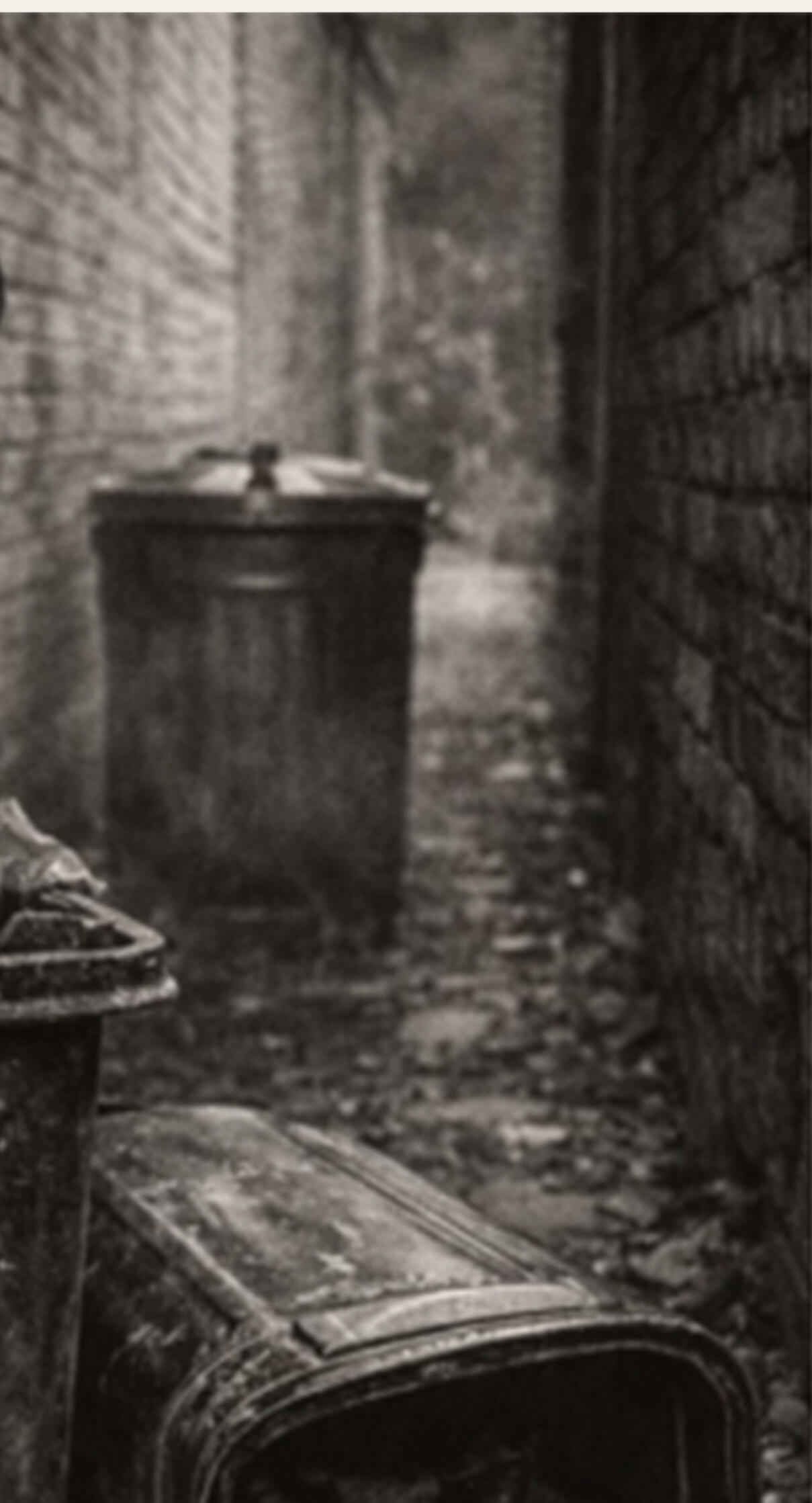
The Ginnel (Northern Deco)For her interpretation of The Ginnel, Olive James replaced the film’s two central characters with a pair of cats observed in the passageway.Their cautious proximity reflected the relationship between Stan and Eddie, while their freedom to remain together introduced a quiet contrast with the secrecy governing the men’s lives.James placed each cat within a separate refuse bin, close enough to observe the other but divided by the discarded objects surrounding them.The fractured geometry and restricted palette transformed the ginnel into a place of concealment, with the narrow opening towards the street suggesting a wider world neither man could enter openly.Available exclusively through FCSF, this artistic interpretation is available unframed on 240 gsm art paper and measures 16 x 20 inches.

What did the critics think?
Upon release, The Ginnel received a sharply divided critical response. While Terence Barber and Jack Pilling were widely praised, several reviewers objected to the relationship at the centre of the film, often without referring to it directly.The Manchester Evening Chronicle praised Barber’s performance and the film’s restraint:“Terence Barber gives Stan a loneliness that requires neither explanation nor apology. His scenes with Jack Pilling are played with remarkable delicacy, and what remains unspoken between them becomes the most truthful element of the picture.”Films and Filming considered the film unusually courageous:“Crimea Street Films has placed two working-class men within a relationship British cinema generally prefers not to recognise. Nothing is declared, little is shown and yet there can be no reasonable doubt about what draws Stan and Eddie into the ginnel.”The Lancashire Evening Post was considerably less sympathetic:“However carefully it disguises its intentions beneath cigarettes, silences and rain-soaked brickwork, The Ginnel remains a deeply disagreeable picture. Mr Barber is an actor of ability, but one wonders why that ability has been employed in the service of so unhealthy a subject.”Kinematograph Weekly admired the performances but questioned the film’s commercial prospects:“Barber and Pilling handle difficult material with restraint and sincerity, though the subject and unrelievedly sombre treatment are likely to restrict bookings beyond specialist and metropolitan cinemas.”Commercially, The Ginnel received only a limited release, with several exhibitors declining to show it and others withdrawing it following complaints. The controversy also became increasingly focused on Barber himself, despite there being no evidence that the role reflected his private life. Although the film performed poorly, it was later recognised as one of Crimea Street Films’ most courageous productions.
From the archive
Contemporary publicity for The Ginnel carefully avoided identifying the nature of Stan and Eddie’s relationship, describing the film only as “the story of a friendship conducted in secrecy.” Surviving correspondence shows that this ambiguity was deliberate, allowing Crimea Street Films to address a subject that many cinemas and newspapers were unwilling even to name.Viewed in 2026, there is no reason to preserve that evasion. The Ginnel was a film about two gay working-class men living at a time when being gay was against the law. Its importance lies not only in the relationship it portrayed, but in placing that relationship within an ordinary Northern community from which such lives were routinely excluded on screen.
Publicity shot from the archive
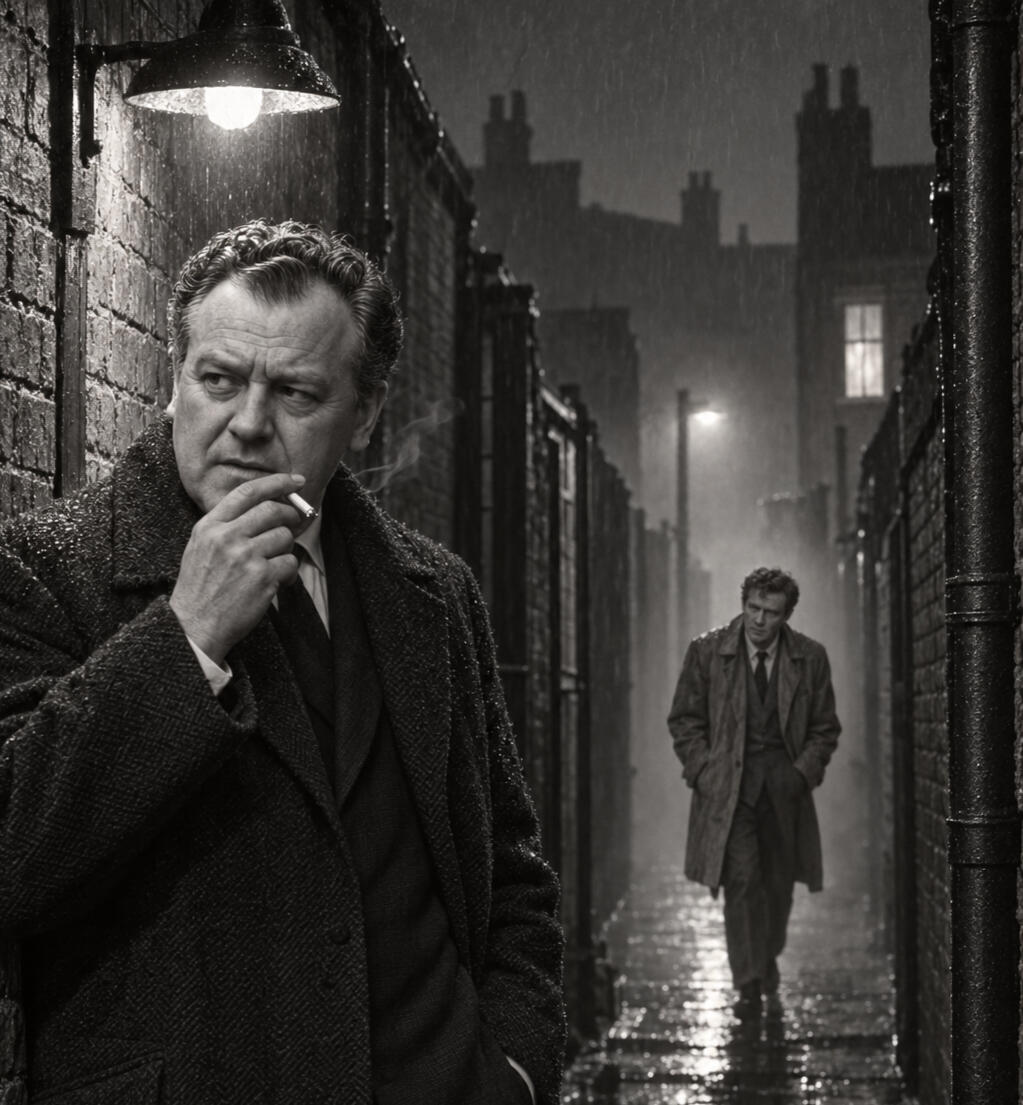
The artwork of Reg Baines
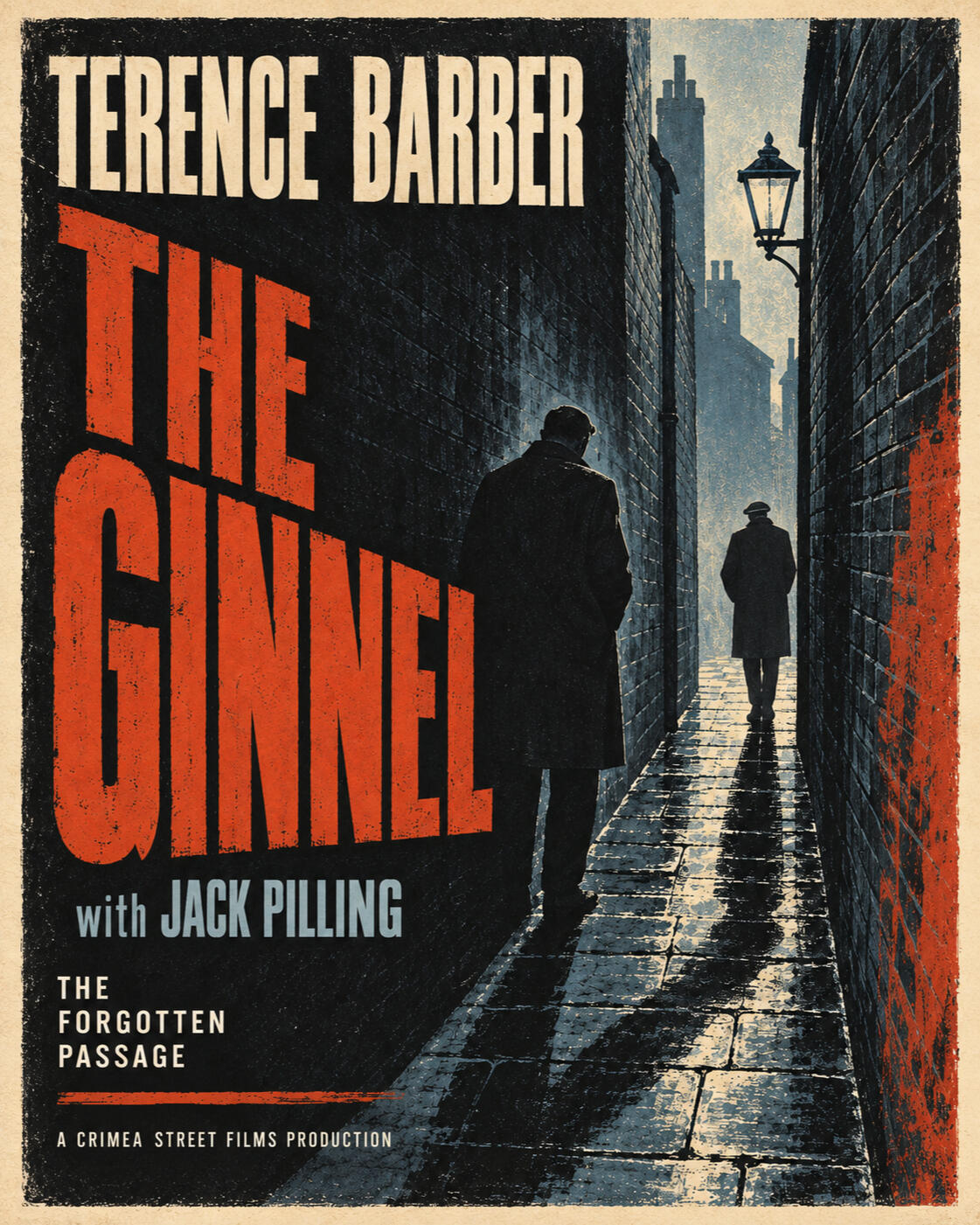
The original posters created by Reg Baines are synonymous with the studio and are very much part of its history.They would have been seen throughout the North of England outside cinemas, on hoardings and in places such as train stations.Most of them were damaged in a fire at the studio in late 1966, but we are delighted to now work with Parbold based artist, Brian Astley.He has faithfully reproduced each poster to a standard that our Reg would have been proud of and each one is available unframed on 240 gsm art paper as a 16 x 20 inch homage to the films we celebrate.